Mustard Font for Web Design Projects
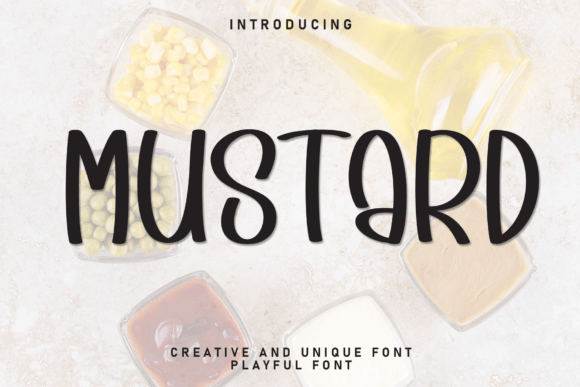
I was working on a boutique online store recently, and I needed a font that felt both welcoming and professional. The brand had a warm, personal vibe—something like a handwritten note from a friend. That’s when I stumbled upon Mustard, a whimsical handwritten display font from Script Amp. It instantly caught my eye with its soft curves and natural feel.
Mustard isn’t just another script font—it has a unique personality that stands out without being over the top. Its strokes are fluid and slightly irregular, giving it a hand-drawn authenticity. This makes it perfect for adding charm to digital layouts where a touch of human warmth is needed. The font feels approachable, almost like it was written by someone who really cares about what they’re saying.
As I tested Mustard in the hero section of the website, I noticed how well it paired with clean sans serif fonts for body text. It didn’t clash, and instead, it elevated the overall design. The contrast between the decorative headline and the simple body copy helped guide the user’s attention naturally. This kind of visual hierarchy is essential for keeping users engaged and making content easy to scan.
I experimented with using Mustard for different elements on the site. For instance, it worked beautifully as the main title for product pages. When placed over an image banner, it added a sense of elegance without overpowering the visuals. On mobile screens, I made sure the font size was adjusted so that the text remained readable even on smaller devices. A little tweaking went a long way in ensuring the font looked great across all screen sizes.
One thing I paid close attention to was readability. While Mustard is a display font, it’s important to use it sparingly. I found that it performed best for short phrases and headlines rather than long paragraphs. Using it for buttons or call-to-action areas also added a friendly touch that encouraged interaction. However, I avoided using it for navigation menus or other elements that require quick scanning, as that could slow down the user experience.
Font pairing is always a key consideration in web design. Mustard’s organic style worked particularly well when paired with a modern sans serif font for body text. This combination gave the site a balanced look—playful yet professional. I also considered using a serif font for secondary headings to add more depth to the typography hierarchy. The right font pairing can make a huge difference in how a website feels and functions.
Another thing I checked before using Mustard on the live site was its availability as a webfont. It’s important to ensure that the font supports responsive design and loads quickly on different devices. Mustard provided good support for various file formats and included alternate characters that helped maintain consistency across different platforms. Also, verifying commercial licensing was crucial, especially since the site would be used for client projects and online sales.
I applied Mustard to several sections of the site, including the homepage header, blog post titles, and promotional banners. Each time, it brought a subtle but noticeable improvement to the overall aesthetic. It helped reinforce the brand’s identity and made the content feel more personal and engaging. Users seemed to respond positively to the tone it created, which aligned perfectly with the brand’s voice.
When designing for a coaching website, I found that Mustard worked exceptionally well for creating a sense of trust and approachability. It fit seamlessly into the layout, whether used for the main headline or as part of a feature section. The font’s gentle curves and warm appeal made it ideal for content that aimed to inspire and connect with the audience.
For a course sales page, I used Mustard in the hero section to grab attention while maintaining a clear call-to-action. It wasn’t too flashy, but it still stood out enough to make the content memorable. The font helped create a balance between creativity and clarity, which is essential for conversion-focused designs.
In summary, Mustard is a versatile and expressive font that can enhance any digital project. Whether you're designing a portfolio, a product landing page, or a campaign landing page, this font brings a unique charm that can elevate your brand’s visual identity. Just remember to use it thoughtfully, keeping readability and usability at the forefront of your design decisions.